
n Yoruba culture, traditional marriage is never just about a wedding day. It is a carefully guided journey of families, ancestry, and spiritual continuity. Every stage of the ceremony carries intention, not as decoration, but as meaning passed down through generations. For intending Yoruba couples in the diaspora, whether in the UK, US, Canada, or elsewhere, this ceremony becomes even more than tradition. It becomes a deliberate act of remembrance. A way of saying: we are still who we are, even here. And without understanding the rites, what is meant to be sacred can easily become surface-level. But with understanding, every moment becomes a living connection to heritage.
Why Yoruba Traditional Marriage Is Structured in Rites
Yoruba traditional marriage is not performed randomly or emotionally driven in the moment. It follows a sequence of rites that reflect cultural order, respect, and spiritual alignment. Each step builds on the one before it, like layers of agreement between two families becoming one.
1. Introduction (Mọ̀ mí n mọ ẹ): Where Respect Begins
The introduction is often where two families meet formally for the first time. But in Yoruba culture, it is much deeper than “meeting in-laws.” There is a certain atmosphere in this moment; respect sits in the room. Words are chosen carefully. Elders observe more than they speak. Families are not just introduced, they are acknowledged. You will often see:
Formal greetings led by elders
Intentions being carefully expressed
Families beginning to “feel” each other’s values
Cultural meaning:
This is the foundation. Without mutual respect, nothing else proceeds.
2. Bride Price Negotiation (Ìdána): A Dialogue of Honour
This is one of the most misunderstood parts of Yoruba traditional marriage, especially outside Nigeria. It is not a transaction. It is a structured cultural dialogue. The atmosphere here is often lively, sometimes humorous, sometimes deeply formal. Families may respond through proverbs, symbolic requests, and playful negotiation. There is usually laughter in the room, but beneath it is structure. You may notice:
Items being requested in symbolic form
Elders speaking in coded, proverbial language
Back-and-forth exchanges that reflect respect, not resistance
Cultural meaning:
This rite communicates value. It shows that the union is intentional, respected, and not entered lightly.
3. Family Blessings and Prayers: Speaking Life Into the Union
Once agreements are settled, the energy shifts. This moment becomes quieter, heavier, more spiritual. Elders step forward not just as family representatives, but as custodians of blessing. You will often hear prayers for:
Fertility and continuity of lineage
Peace and emotional stability in the home
Financial prosperity and protection
Longevity and unity
Sometimes hands are placed on the couple. Sometimes words are spoken slowly, deliberately, as if they are being deposited into the future.
Cultural meaning:
This is where marriage moves beyond agreement into spiritual affirmation.
4. Exchange of Gifts: A Language Without Words
Gifts are then presented between families. To an outsider, it may look ceremonial. But every item carries meaning.
Fabric represents identity and belonging
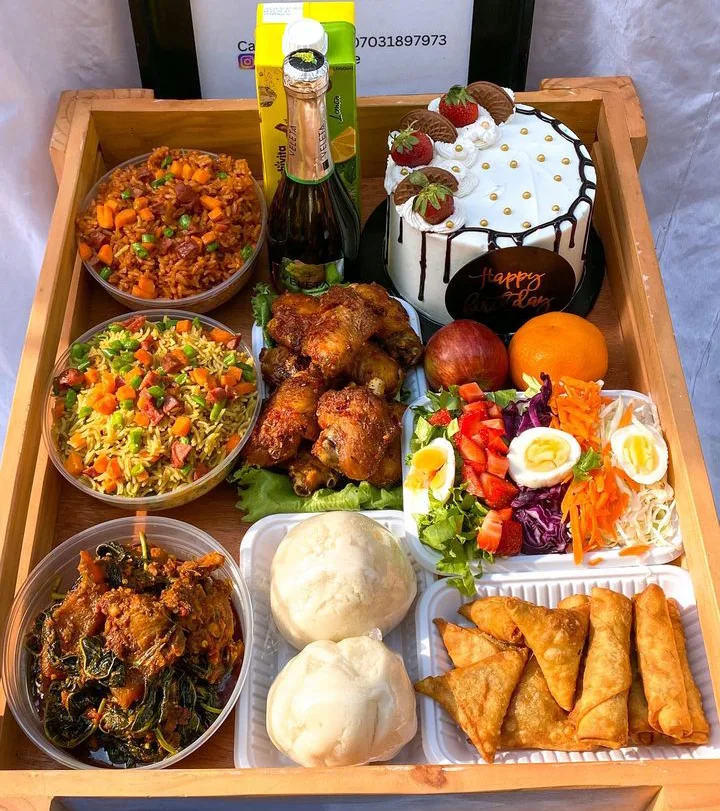
Food items represent provision and shared life
Wine or kola nuts represent acceptance and communion
There is a quiet dignity in this stage, less negotiation, more alignment. Families are no longer “two sides.” They are beginning to blend.
Cultural meaning:
This is a physical expression of unity, what has been agreed is now symbolically exchanged.
5. Sealing the Union: Celebration as Cultural Expression
The final stage is celebration, but even celebration is structured. Music begins. Drumming follows rhythm and tradition. Songs are not random; many carry proverbs, lineage references, or praise. The room changes energy again from solemnity to joy. You will see:
Dancing that reflects cultural pride
Call-and-response songs that carry meaning
Elders still observing, ensuring completion and blessing
Cultural meaning:
Joy is not separate from tradition. It is the final confirmation that unity has been achieved.
The Cultural Philosophy Behind Yoruba Traditional Marriage
At its core, Yoruba traditional marriage is guided by deep cultural principles:
Marriage is not individualistic — it is communal.
It is not rushed — it is structured.
It is not silent — it is spoken into existence.
It is not private alone — it is witnessed.
Elders are not symbolic attendees. They are living links to continuity.
Words are not casual — they are generational.
Ceremony is not entertainment — it is education.
This is why Yoruba traditional marriage carries weight beyond the wedding day itself.
Yoruba Traditional Marriage in the Diaspora: When Culture Must Be Intentionally Preserved
Outside Nigeria, Yoruba traditional marriage takes on a new urgency. In diaspora weddings, you often find:
Guests who do not fully understand the rites
Mixed cultural audiences
Limited space or time for traditional flow
Younger generations experiencing culture for the first time
Because of this, ceremonies can risk becoming visually beautiful but culturally disconnected. This is where intentional preservation becomes important. Diaspora Yoruba weddings are not just celebrations, they are acts of cultural memory being actively protected. They ensure that identity is not diluted by distance.
Where the Alaga Fits: The Guardian of Meaning Within the Rites
Within this entire structure, the Alaga holds a very specific and deeply cultural role.
She is not the center of the ceremony.
She is the thread that holds its meaning together.
Across every rite: introduction, negotiation, blessings, gifts, and celebration, she is present not as a performer, but as a cultural guide.
You will notice her doing things like:
Translating meaning, not just language
Guiding families through unfamiliar cultural structure
Using proverbs to carry wisdom in a familiar tone
Maintaining rhythm so rites are not rushed or fragmented
Helping diaspora guests understand what is happening in real time
In many diaspora weddings, she becomes the difference between: A ceremony that is seen and a ceremony that is understood
Without her, the structure may still exist. But the meaning can become scattered.
Conclusion: What We Are Really Preserving
Yoruba traditional marriage is not simply a cultural performance. It is a living system of meaning, one that connects families, ancestors, and future generations. Every rite is intentional. Every stage is meaningful. Every word carries weight. And for Yoruba couples in the diaspora, preserving this structure is not about nostalgia. It is about identity continuity. Because when we understand the meaning behind what we are doing, we are no longer just hosting a wedding. We are continuing a lineage.
FAQ: Yoruba Traditional Marriage Rites in the Diaspora
1. What are the stages of Yoruba traditional marriage?
The main stages include Introduction (Mọ̀ mí n mọ ẹ), Bride Price Negotiation (Ìdána), family blessings, exchange of gifts, and the final celebration.
2. What is the meaning of bride price in Yoruba culture?
It is not a payment. It is a symbolic expression of honour, respect, and seriousness between families.
3. Why are elders important in Yoruba traditional marriage?
Elders serve as custodians of culture, blessing the union and ensuring tradition is correctly followed.
4. Can Yoruba traditional marriage be simplified abroad?
Some adjustments happen in diaspora settings, but the core rites are usually preserved to maintain cultural meaning.
5. What does the Alaga do in Yoruba weddings?
The Alaga guides the ceremony, preserves structure, translates cultural meaning, and ensures each rite is properly understood and followed.
6. Why is Yoruba traditional marriage important in the diaspora?
It preserves identity, strengthens cultural continuity, and ensures traditions are passed to younger generations living outside Nigeria.
Final Thoughts: What We Are Really Preserving
Yoruba traditional marriage is more than a ceremony, it is a structured expression of identity, lineage, and cultural memory. Every rite carries intention. Every exchange carries meaning. Every blessing carries generational weight. And in the diaspora, where distance can easily blur cultural understanding, these ceremonies become even more important. They are not just celebrations of love, they are affirmations of belonging. When we understand the meaning behind each stage, we stop seeing tradition as performance and start seeing it as preservation. Because at its core, Yoruba traditional marriage is not just about two people becoming one. It is about families continuing a story that began long before them and will continue long after.
Planning a Yoruba traditional wedding in the diaspora?
At NDH, we help you find trusted cultural vendors, from experienced Alagas to photographers, planners, and event professionals who understand the depth and beauty of Nigerian traditions. Find • Connect • Book trusted vendors for your traditional wedding on NDH Because your culture deserves to be preserved beautifully, intentionally, and with the right people guiding it.