How Customers Find Local Businesses Today (And What Business Owners Must Do Differently) | Naija Diaspora Hub
How Customers Find Local Businesses Today (And What Business Owners Must Do Differently)
Business Guides
NNDH Team•Jan 19, 2026•7 min read•174 views
More Stories You'll Love
Now Available
Send Love Home to Nigeria
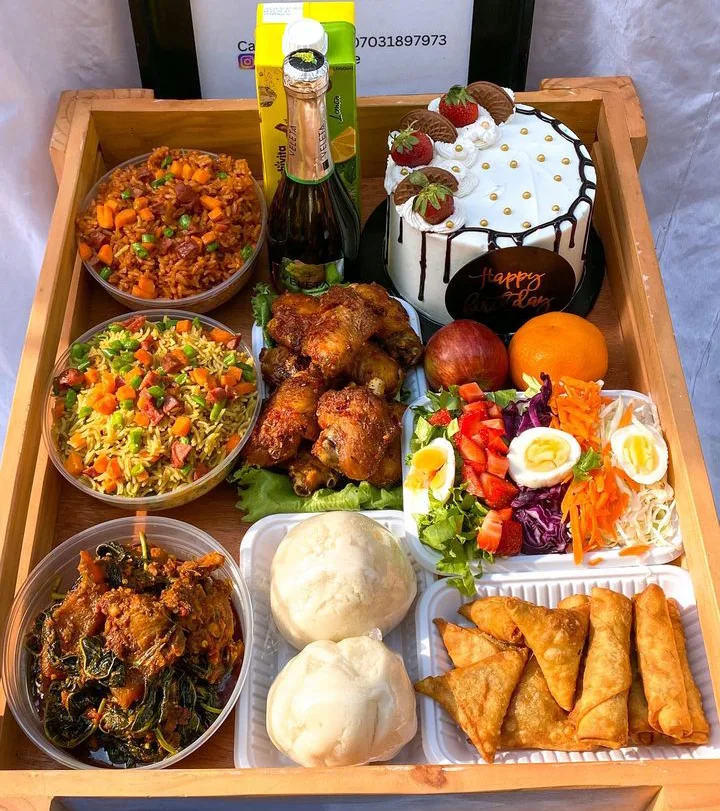
Groceries, cakes & celebration trays — delivered to your family's doorstep within 3 days.
📦
Trustedby Nigerians in diaspora
⚡
3 daysdelivery guarantee
🌟
4.9★customer rating
Trusted Delivery
Fulfilled in Nigeria
NDH Verified
Secure Checkout
Groceries
Cakes
Food Trays
Introduction
Customer behaviour has changed significantly over the last few years. Today, most people no longer rely only on word of mouth or social media posts to find local businesses. Instead, they actively search by service type, location, and clarity of offering.
Whether someone is looking for a caterer for an event, a fashion designer, a beauty professional, or a trusted service provider, the search process is often intentional and specific.
This guide explains how customers discover local businesses today, what influences their decisions, and why being easy to find and understand matters more than being popular online.
The Shift: From Browsing to Searching With Intent
In the past, customers discovered businesses through:
Personal referrals
Community recommendations
Instagram posts or WhatsApp broadcasts
While these still play a role, modern customers increasingly search with intent, especially when money, time, or events are involved.
Today, people search things like:
“Caterer for weddings near me”
“Event makeup artist in my city”
“Tailor for custom outfits”
610 min read•942 views
Finding Home in a Place That Isn’t Home: A Nigerian’s Diaspora Journey
The truth is simple: nobody leaves Nigeria because it’s fun to start life from zero. People leave because they’re chasing breath — opportunity, safety, dignity… things that should’ve been basic back home but never were.
These searches are not casual browsing. They signal readiness to book, order, or enquire.
Why Social Media Alone Is No Longer Enough
Social media is powerful for visibility, but it has limits.
Discovery on social platforms depends on:
Algorithms
Posting frequency
Timing
Engagement
This makes it unpredictable.
A caterer, fashion brand, or beauty business may do excellent work but still remain invisible to someone actively searching — simply because the right post didn’t appear at the right time.
Customers who are ready to act don’t usually scroll endlessly. They search with purpose.
How Customers Actually Choose Between Businesses
Once customers find a list of businesses, their decisions are often based on a few key factors:
1. Clear service description
Can they quickly tell if you offer what they need?
For example:
Do you do event catering or private orders?
Is your fashion brand ready-to-wear or custom-made?
Are your beauty services mobile or studio-based?
Clarity reduces hesitation.
2. Location and service area
Customers want to know if you operate where they are.
Even for online or mobile services, location matters. Businesses that clearly state their city or service area receive more relevant enquiries.
3. Trust and professionalism
Customers look for signals such as:
Clear photos of past work
Professional descriptions
Easy ways to contact you
These details help customers feel confident before reaching out.
4. Ease of contact or booking
If customers can’t quickly message you, visit your website, or place an order, many will move on.
Convenience plays a major role in conversion.
Visibility vs Popularity: What Actually Drives Growth
Many businesses focus on popularity:
Followers
Likes
Views
But popularity doesn’t always translate into customers.
Visibility is different.
Visibility means:
Showing up in relevant searches
Appearing in the right service category
Being easy to understand at a glance
A service-based business that is visible at the right moment often outperforms a more popular business that is harder to find.
What Business Owners Must Do Differently Today
To stay competitive, business owners need to shift focus from constant promotion to structured discoverability.
This includes:
Clearly defining services or products
Organising offerings in a way customers search for
Highlighting location and service areas
Making contact and next steps obvious
For catering, fashion, beauty, and professional services, this clarity directly impacts enquiries and bookings.
Final Thoughts
Customers today don’t just want great businesses — they want easy-to-find businesses.
Being discoverable when someone searches for catering, fashion, beauty, or services in their city is no longer optional. It’s a core part of modern business growth.
When businesses focus on clarity, location, and ease of access, they spend less time chasing attention and more time serving customers who are already looking.
The businesses that adapt to this shift will continue to grow — even as platforms and trends change.