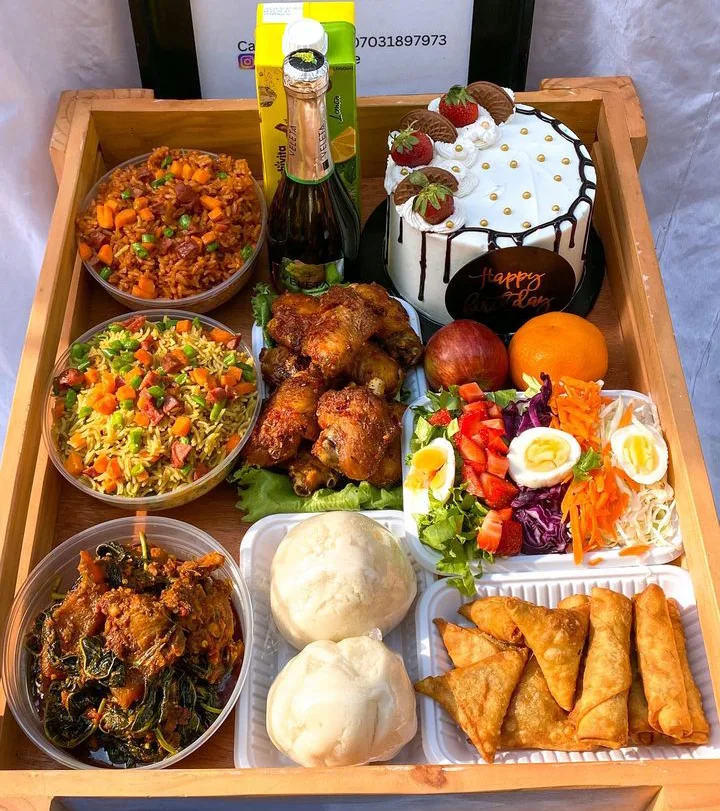

For many Nigerian entrepreneurs abroad, caterers, fashion designers, makeup artists, event planners, and service providers, pricing can feel confusing. You want to stay competitive, attract customers, and still make a profit. But in many cases, vendors end up underpricing their work because they worry customers won’t buy if the price is too high. This often leads to constant discounts, last-minute price cuts, and businesses that stay busy but struggle to grow profitably. But the truth is this: pricing is not just about affordability, it’s about value and positioning. When done correctly, strategic pricing and well-timed discounts can help you attract the right customers, increase sales, and grow your business without undercutting your value. Here’s how Nigerian vendors abroad can price confidently and use discounts in a way that actually benefits their business.
1. Start With Your True Cost
Before setting any price, you must understand your real cost of doing business. This includes more than just materials or ingredients. For many diaspora vendors, costs may include:
Ingredients or supplies Packaging Delivery or transportation Platform or payment processing fees Marketing costs Your time and labor
For example, a Nigerian caterer selling party trays must account for:
ingredients cooking time packaging delivery logistics
Many vendors forget to account for their time and expertise, which often leads to underpricing. Once you know your true cost, add a profit margin that makes the business sustainable. Remember: your business must be profitable to grow.
2. Price Based on Value, Not Just Competition
A common mistake many vendors make is opening Instagram and copying the price of another vendor in their city. But pricing should not only be based on competitors. Instead, think about the value you offer. Ask yourself:
Do you offer delivery or convenience? Is your product premium or handmade? Do you provide customized services? Do you have years of experience?
For example:
A caterer offering same-day delivery can charge more. A hairstylist with years of experience can price differently than a beginner. Customers are not only paying for the product, they are paying for quality, reliability, and experience.
3. Avoid Constant Discounts
Running discounts all the time can damage your brand. If customers expect a sale every week, they will simply wait for the next promotion instead of buying at full price. Over time, this reduces the perceived value of your product. Instead:
Keep your regular prices consistent Offer promotions occasionally and intentionally Strategic discounts create excitement and urgency, rather than expectation.
4. Use Discounts for Specific Business Goals
Discounts should always support a clear goal. Some smart reasons to offer promotions include:
Product or Service Launch
When introducing something new. Example: “10% off catering orders this weekend for our launch.”
Slow Business Periods
Encourage orders during quieter days. Example: “Midweek catering discount for events booked Tuesday–Thursday.”
Customer Loyalty
Reward returning clients. Example: “10% off your next order.”
Bulk Orders
Encourage larger purchases. Example: “Order 3 trays and receive a free dessert.” Each discount should move your business closer to a specific objective.
5. Use Special Moments and Event Days
Special celebrations and global event days are also great opportunities to offer promotions. These moments already have built-in attention and demand. Examples include: Valentine’s Day Mother’s Day International Women’s Day Black Friday Cultural celebrations and holiday seasons
For example: A caterer may offer a Mother’s Day special menu A makeup artist may run Valentine’s Day glam packages A fashion vendor may offer holiday bundle deals The key is aligning your promotion with moments people are already celebrating.
6. Protect Your Brand Value
Your pricing sends a message about your brand. If prices are too low, customers may assume the product is low quality. Confident pricing signals:
professionalism reliability quality expertise
Customers often pay more for vendors they trust. Platforms like Naija Diaspora Hub help vendors build that trust by making it easier for people to discover verified Nigerian-owned businesses abroad.
Final Thoughts
Pricing is more than just choosing a number, it’s a business strategy. When Nigerian diaspora vendors understand their costs, price based on value, and use discounts strategically, they build businesses that are both competitive and profitable. The goal is not to be the cheapest option. The goal is to build a brand customers trust and are proud to support.
FAQs About Pricing and Discounts
How do I know if my product is priced too low?
If you are constantly busy but still struggling to make profit, your pricing may be too low. Your price should cover your costs, your time, and leave room for profit.
Should small businesses offer discounts?
Yes, but strategically. Discounts should support a goal such as launching a product, attracting new customers, rewarding loyal clients, or promoting seasonal events.
How often should a business run promotions?
Occasional promotions work best. Running discounts too frequently can reduce the perceived value of your product.
What is the biggest pricing mistake vendors make?
The biggest mistake is underpricing due to fear. Many vendors worry customers will not buy if their price is too high. However, customers often value quality, reliability, and trust more than the cheapest option.
Discover and Connect With Trusted Nigerian Vendors
If you’re a Nigerian vendor abroad looking to reach more customers, Naija Diaspora Hub makes it easier for people in the UK, Canada, and the US to discover and connect with trusted Nigerian-owned businesses. List your business or explore vendors today at naijadiasporahub.com